What Is a Granny Square? The Complete Guide
The granny square is the building block of most handmade crochet bags. Where it came from, how it works, and why it produces bags worth buying.
The granny square is one of the oldest crochet motifs still in active use. Most people have seen one — a small, roughly square piece of crochet made up of clusters of stitches radiating outward from a central ring. Most people have no idea how it actually works, or why it's the structural foundation of handmade bags that last decades.
The basics
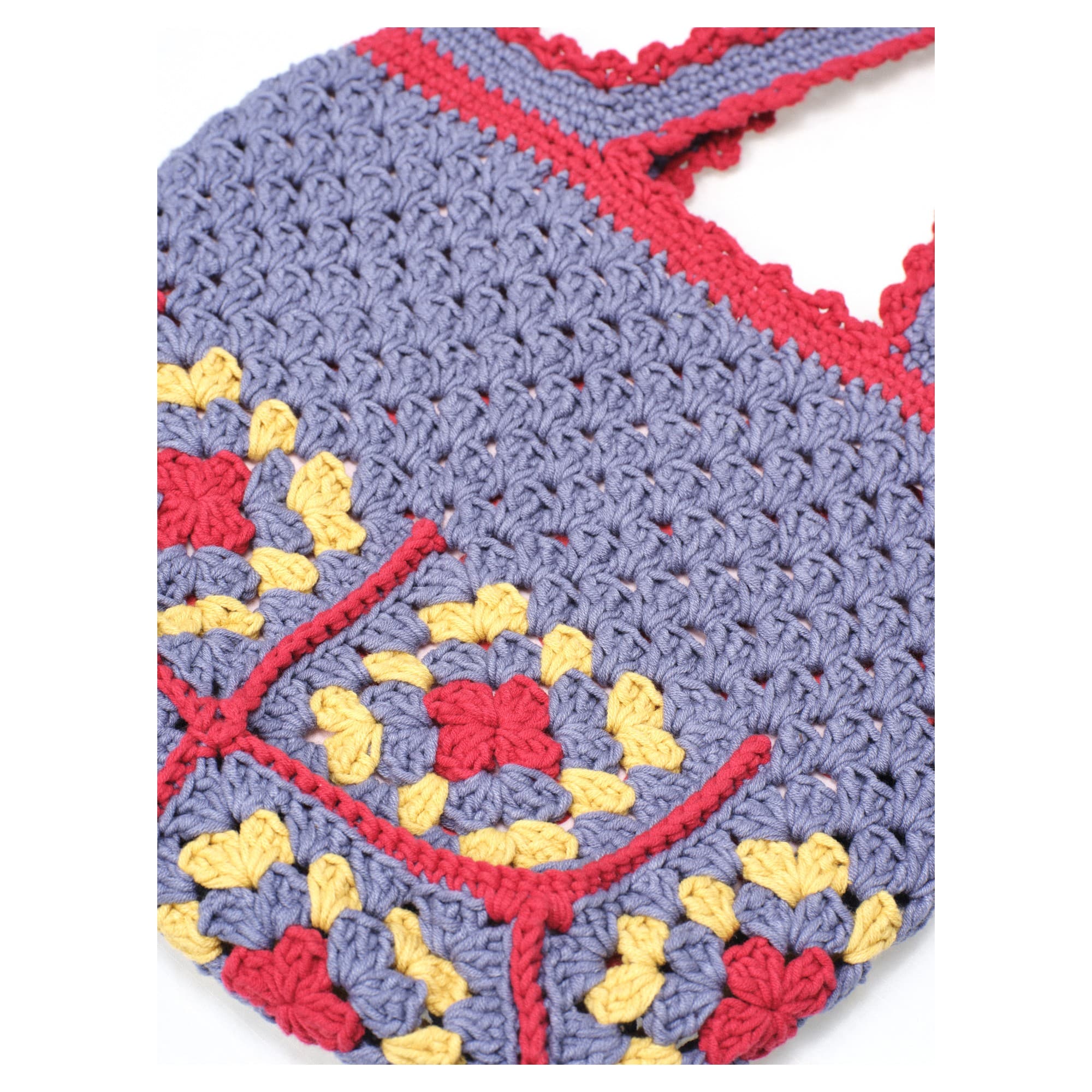
A granny square is made by working rounds of double crochets separated by chain-space corners. You start with a slip knot, make a small ring of chains, and then build outward — one round at a time — until the square is the size you want. The corners are what make it a square: each corner is a specific gap where more stitches are worked to create the angle.
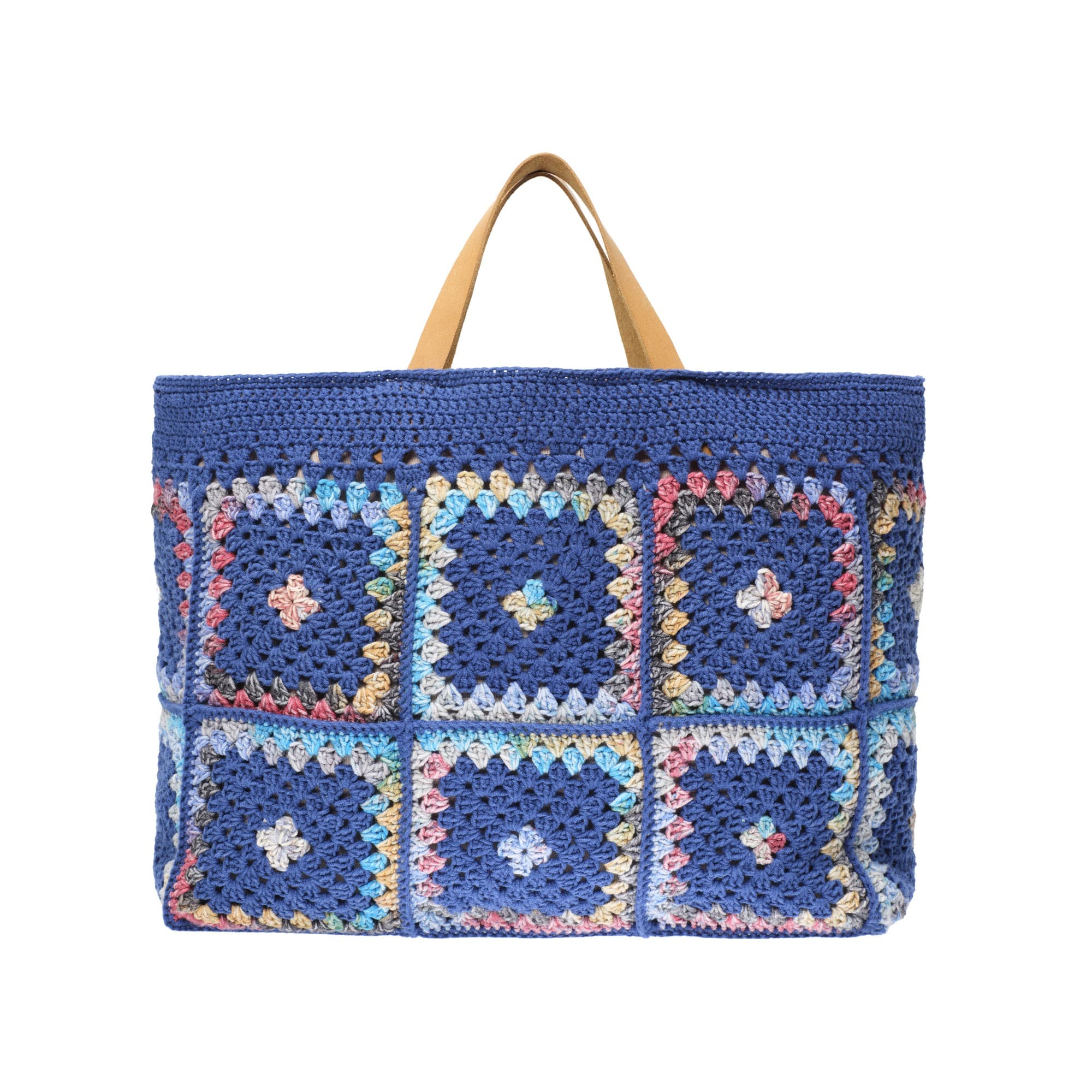
The beauty of the format is that it's modular. You can make any number of squares of any size and join them into any shape. One square is a coaster. Sixteen squares in a four-by-four grid are a bag panel. A hundred squares arranged carefully are a blanket. The same fundamental unit, at any scale.
Where it comes from
The granny square pattern has been documented in crochet literature since at least the early 20th century, though the technique is likely older. The name likely comes from the association between older women and the craft — in many cultures, crochet was passed mother to daughter, grandmother to granddaughter. The pattern itself may originate from earlier forms of lace-making and needlework, adapted for the hook.
In the mid-20th century, granny square patterns became widely popularised through knitting and crochet magazines, reaching peak mainstream visibility in the 1970s. The association with that era — earth tones, heavy texture, a certain domestic aesthetic — stuck. For a while, granny squares were considered dated.
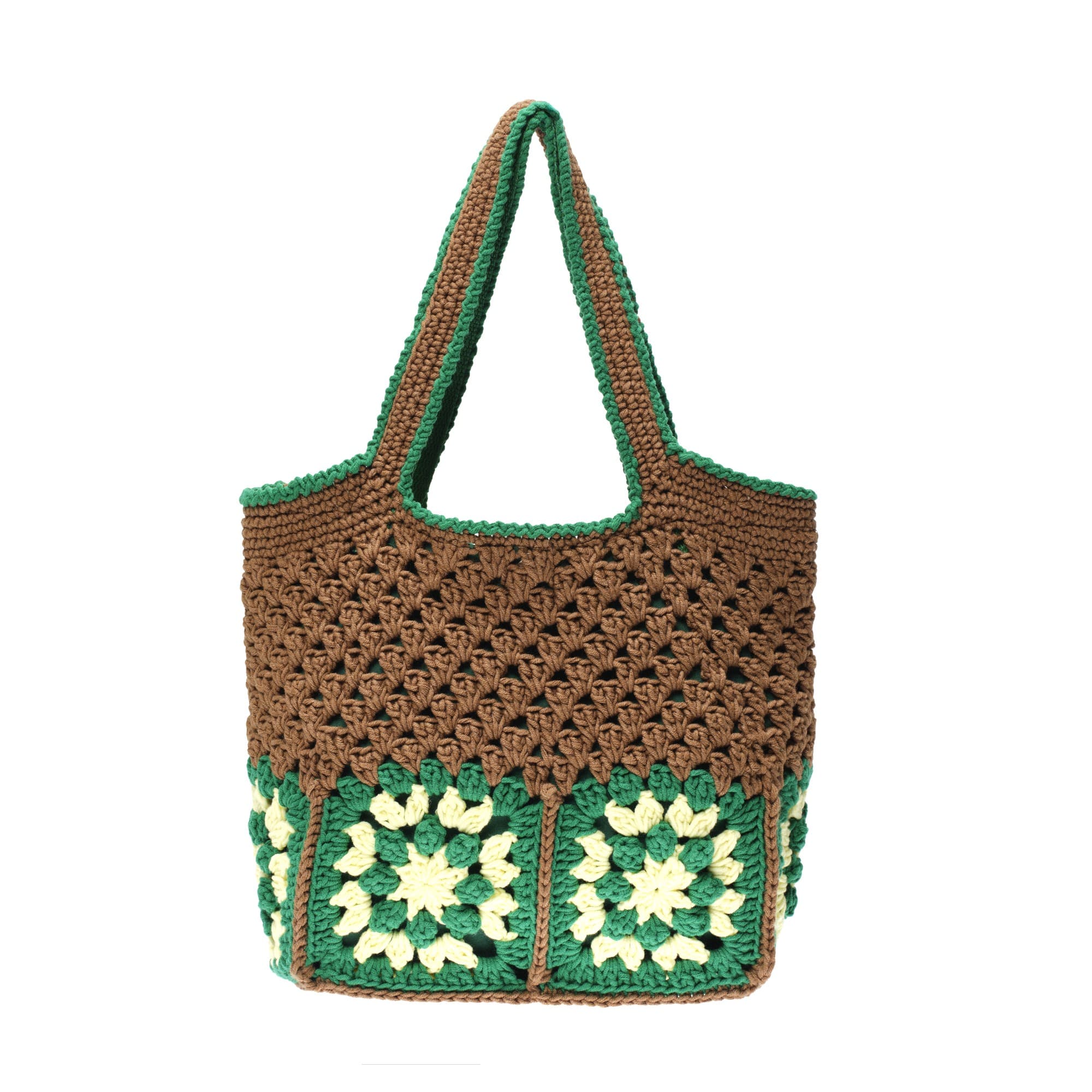
Then something happened. Slow fashion, an interest in handmade objects, and the sustainability conversation changed the context. A granny square bag made from premium cotton by a skilled maker in Istanbul is a different object entirely from a 1970s craft project. Same technique, completely different execution and intention.
Why granny squares make good bags
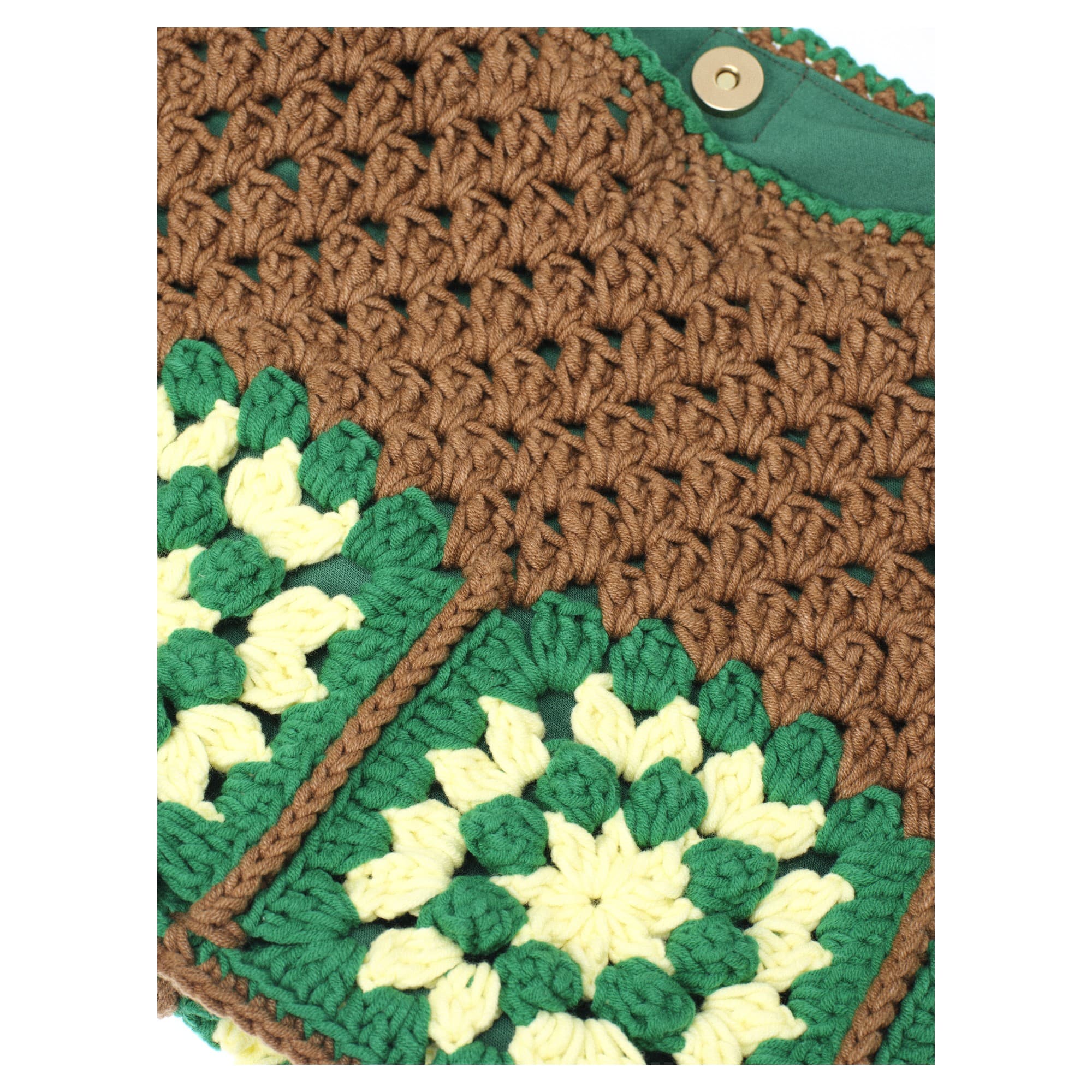
The join-as-you-go construction creates a fabric that is inherently more durable than a single crocheted piece. Each square is a self-contained unit with its ends woven in. The joins between squares create double layers of yarn at those points. The result is a fabric that distributes stress across many connection points rather than concentrating it in one.
This matters for bags. A bag that flexes, bends, and carries real weight needs structural integrity across its surface. The modular granny square construction provides this in a way that a single-piece crocheted fabric doesn't.
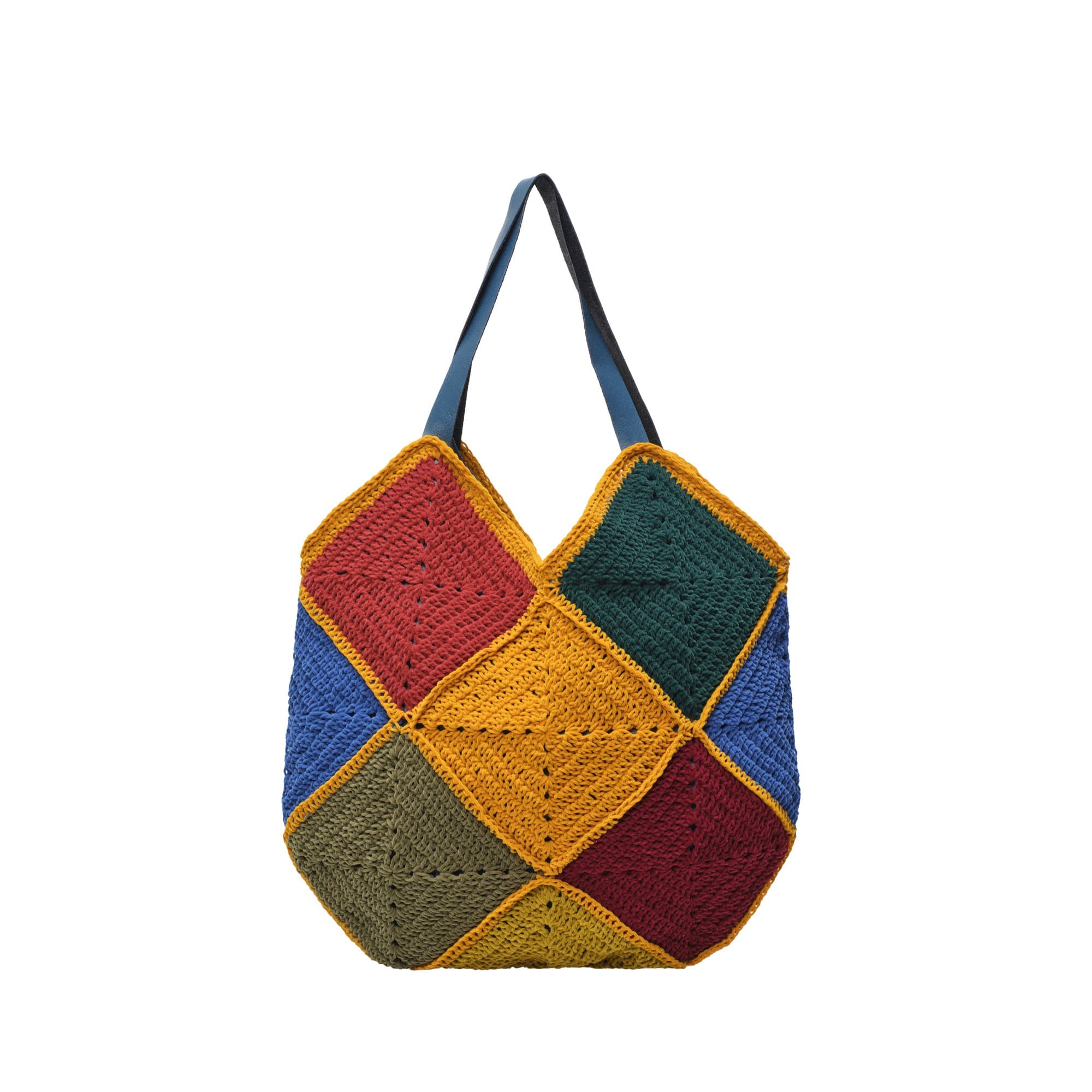
The format also allows for colour work that would be technically difficult in other constructions. Each square can be a different colour, or a different colour progression, or the same colours in a different order. The joins become lines that either blend into the overall composition or define it.
The skill involved
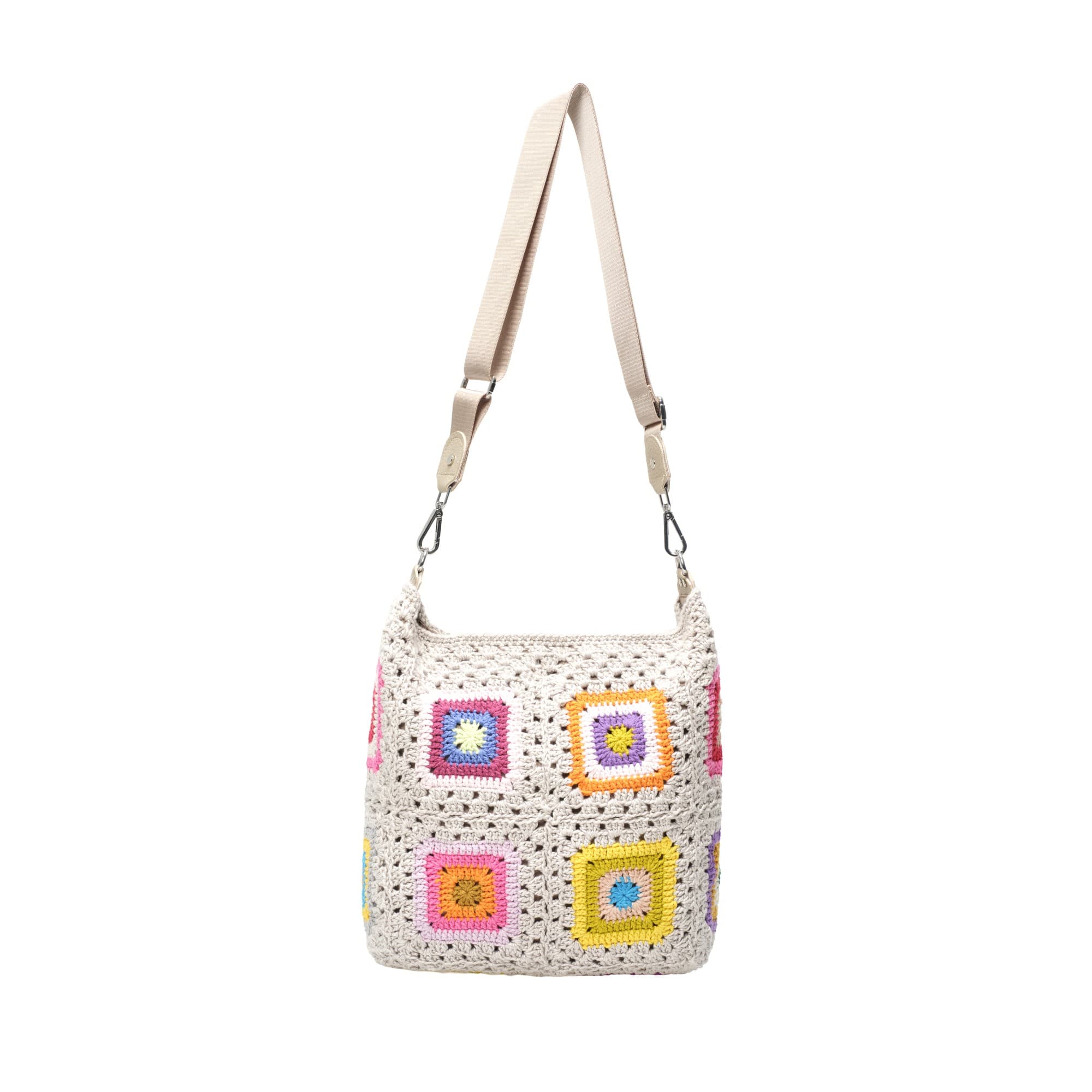
Making a granny square is not difficult — it can be learned in an afternoon. Making granny squares with consistent tension, in the right yarn, at the right gauge, so that they join perfectly into a flat panel and maintain their shape under load: that takes practice. A bag made from thirty-five perfectly consistent squares with tidy joins in a considered colour arrangement is not the same thing as a bag made from thirty-five squares that are roughly the right size.
The difference between a craft-project granny square and a premium handmade product is the same as the difference between playing a piece on a piano and performing it. Same notes, completely different result.
If you want to see what consistent granny square work looks like when applied to a finished bag, the collection is on this site and on Etsy.
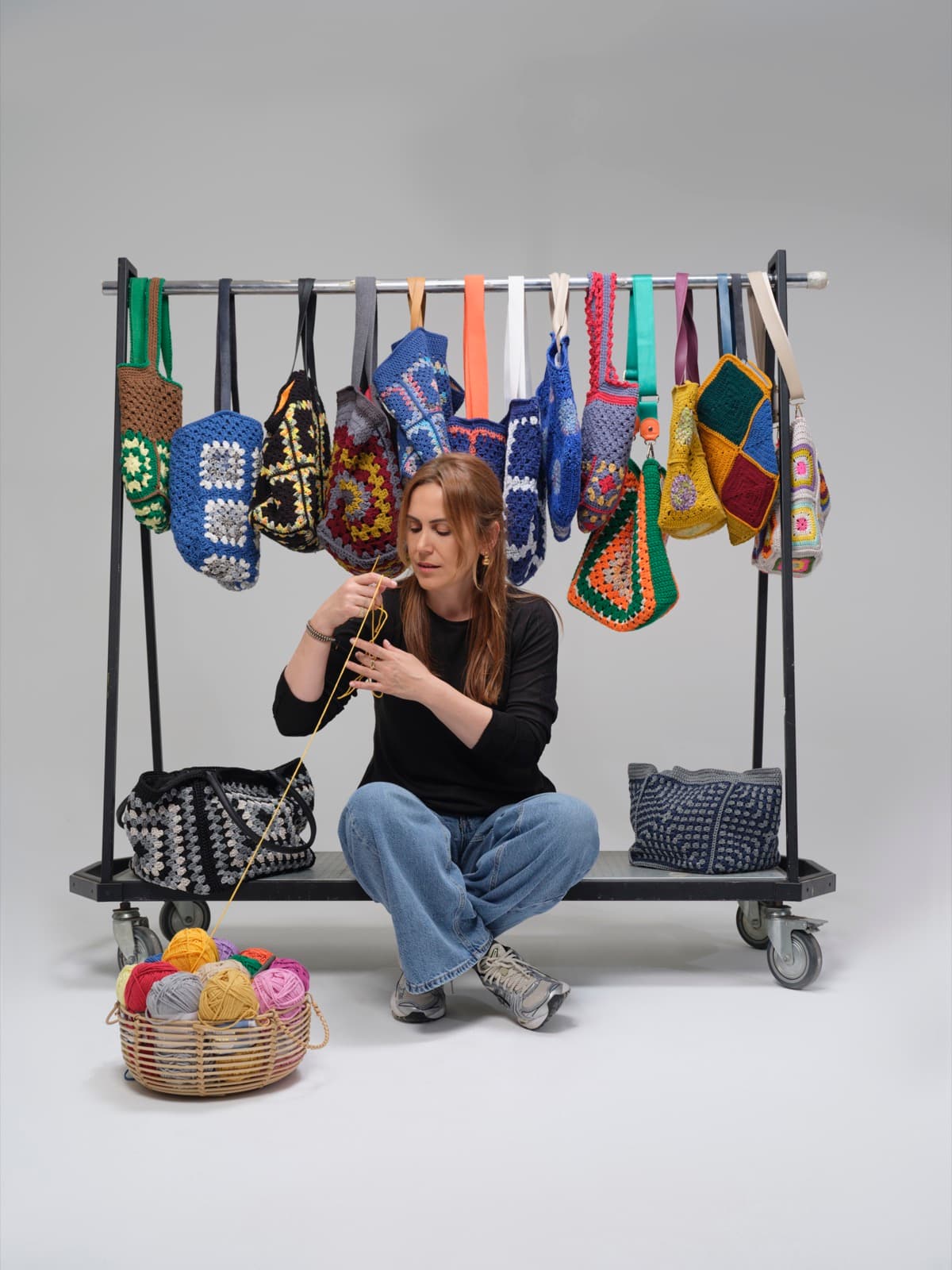
Merve Yamak
Founder, My Happy Made · Istanbul