Handmade Crochet Bags: Common Mistakes and How to Avoid Them
Most of the messages I get after a sale aren't complaints about the bag. They're questions that a five-minute conversation before buying would have already answered. Here's what actually goes wrong, and how to sidestep it.
Most of the messages I get after someone buys a bag aren't complaints about the bag itself. They're questions that a five-minute conversation before the purchase would have already settled. A few patterns come up often enough that I want to write them down properly, instead of explaining the same thing one message at a time.
Buying the size in the photo, not the size on the tape measure
Product photos flatter every bag. A tote styled on a model, angled slightly toward the camera, looks roughly the same size whether it's built to hold a paperback or a laptop. If one specific item has to fit (a tablet, a water bottle, a folder of documents), measure it and compare it against the dimensions listed on the piece, not against how big the bag looks in the photo. I'd rather answer a measuring question before you buy than have a bag go back because it's a centimetre short.
Choosing the bold one and reaching for the plain one
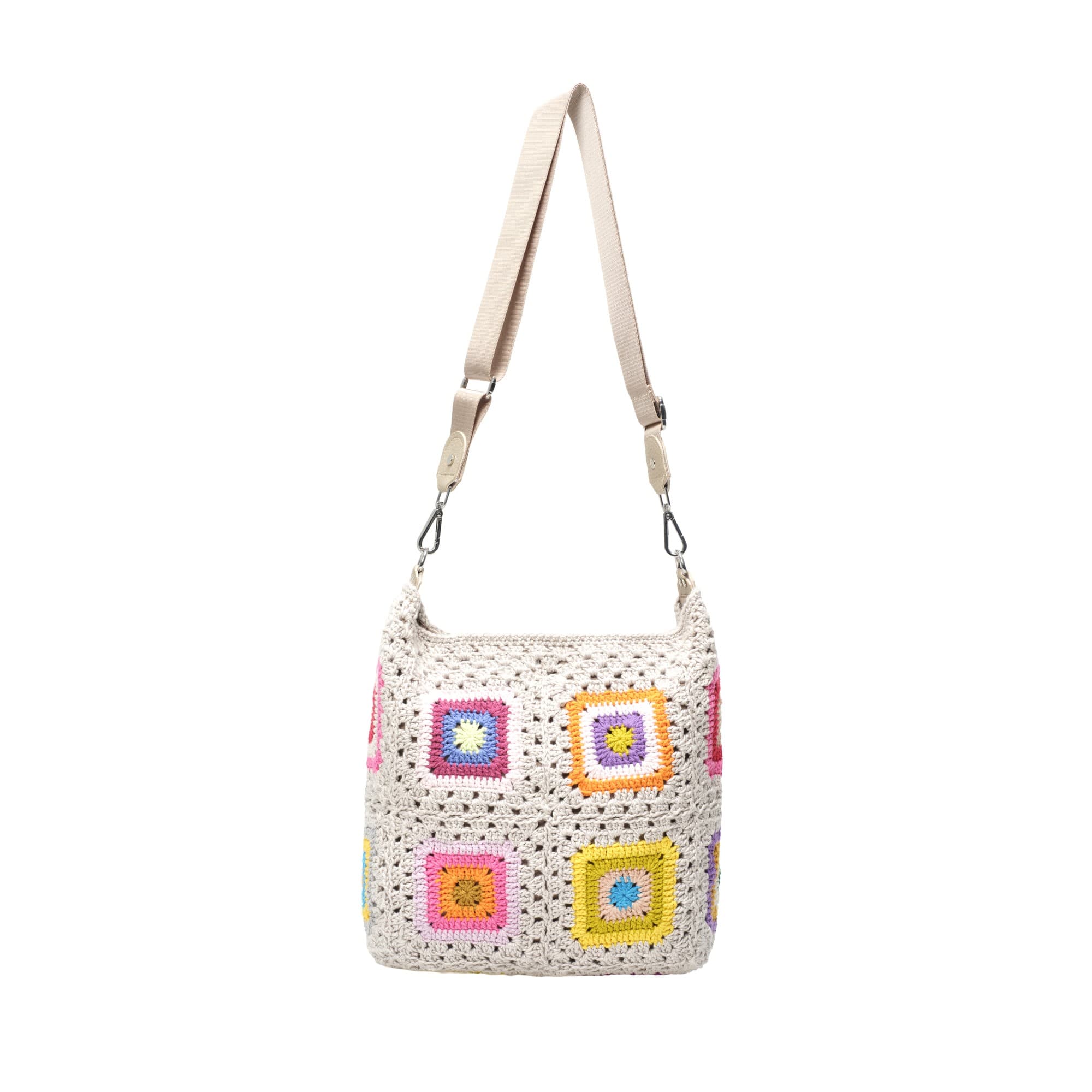
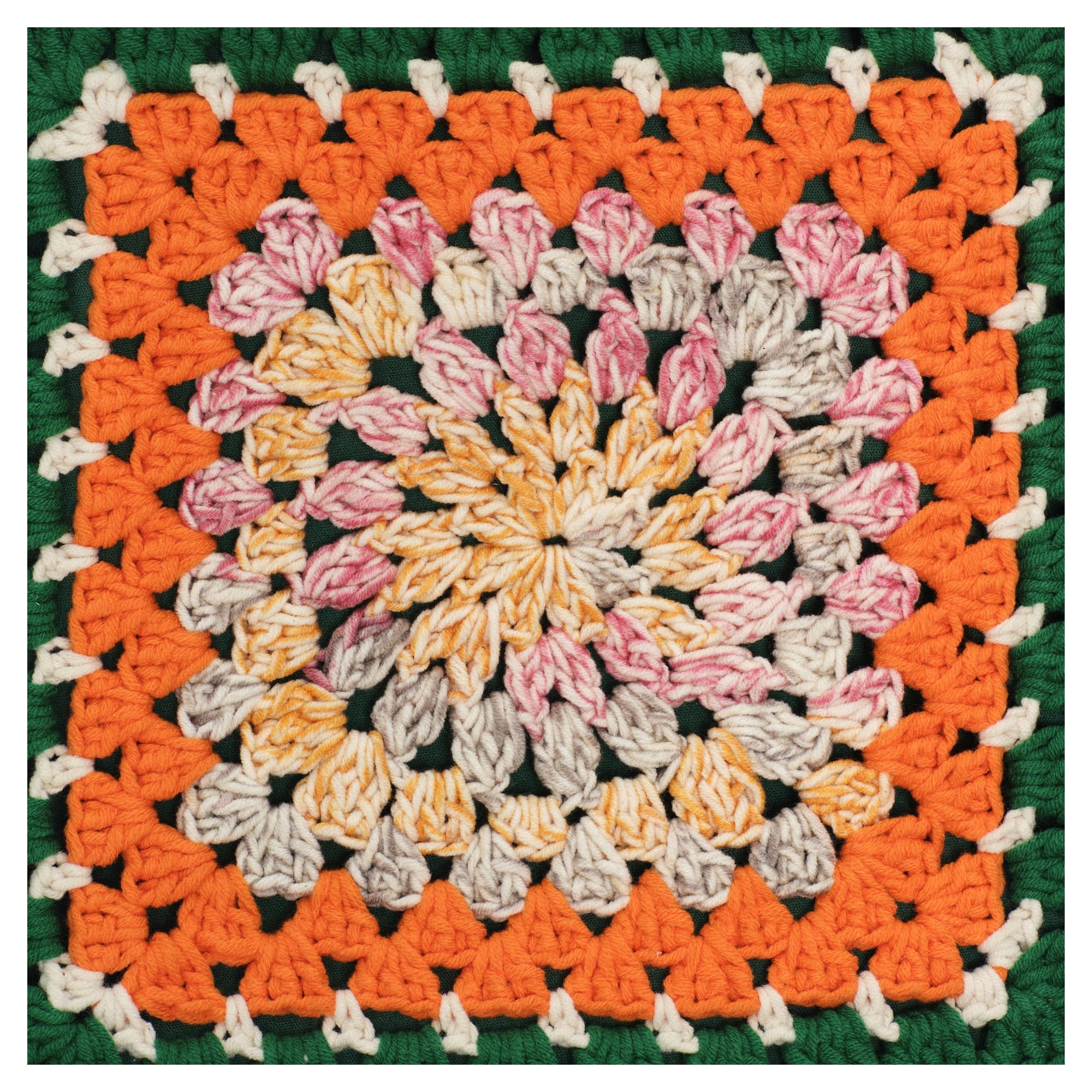
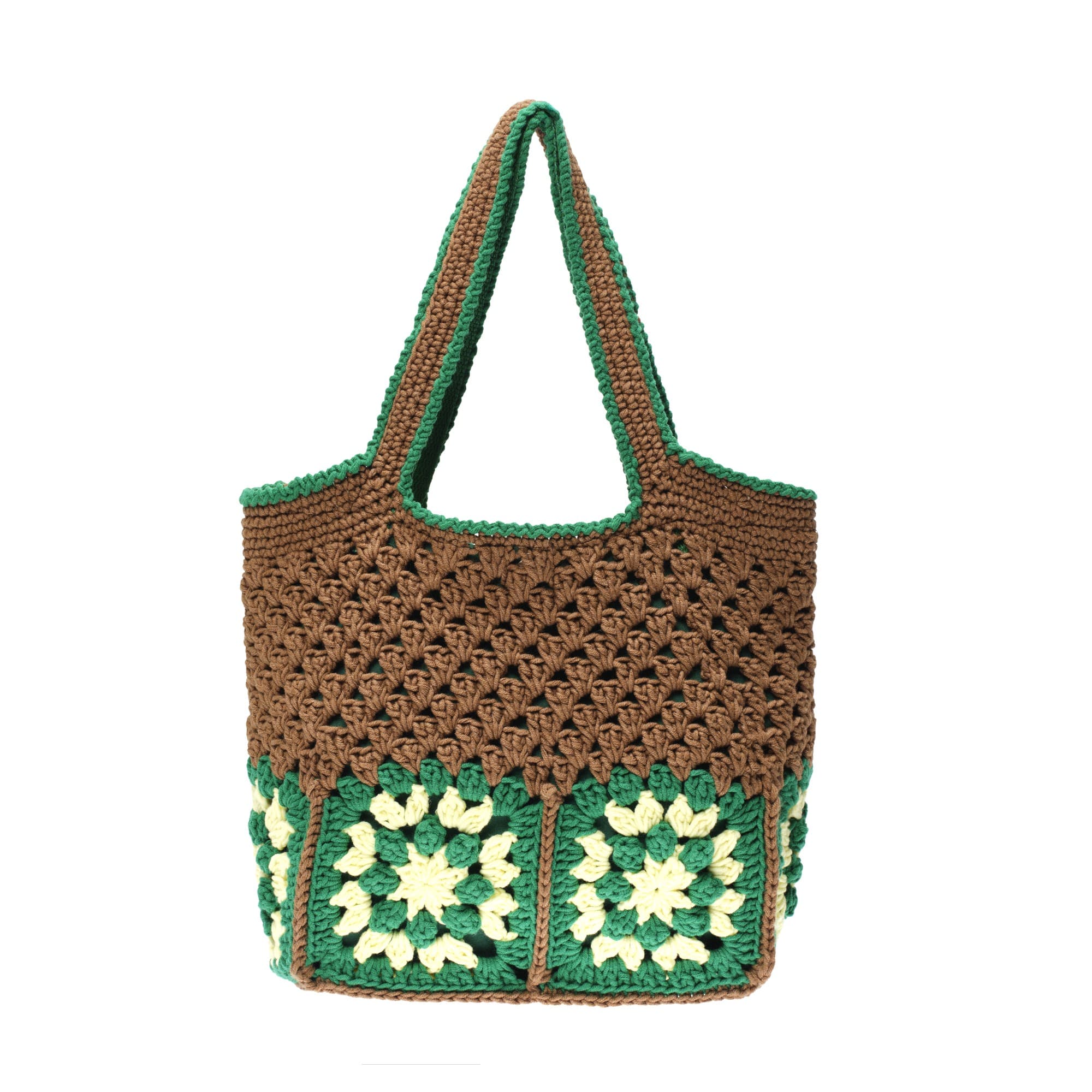
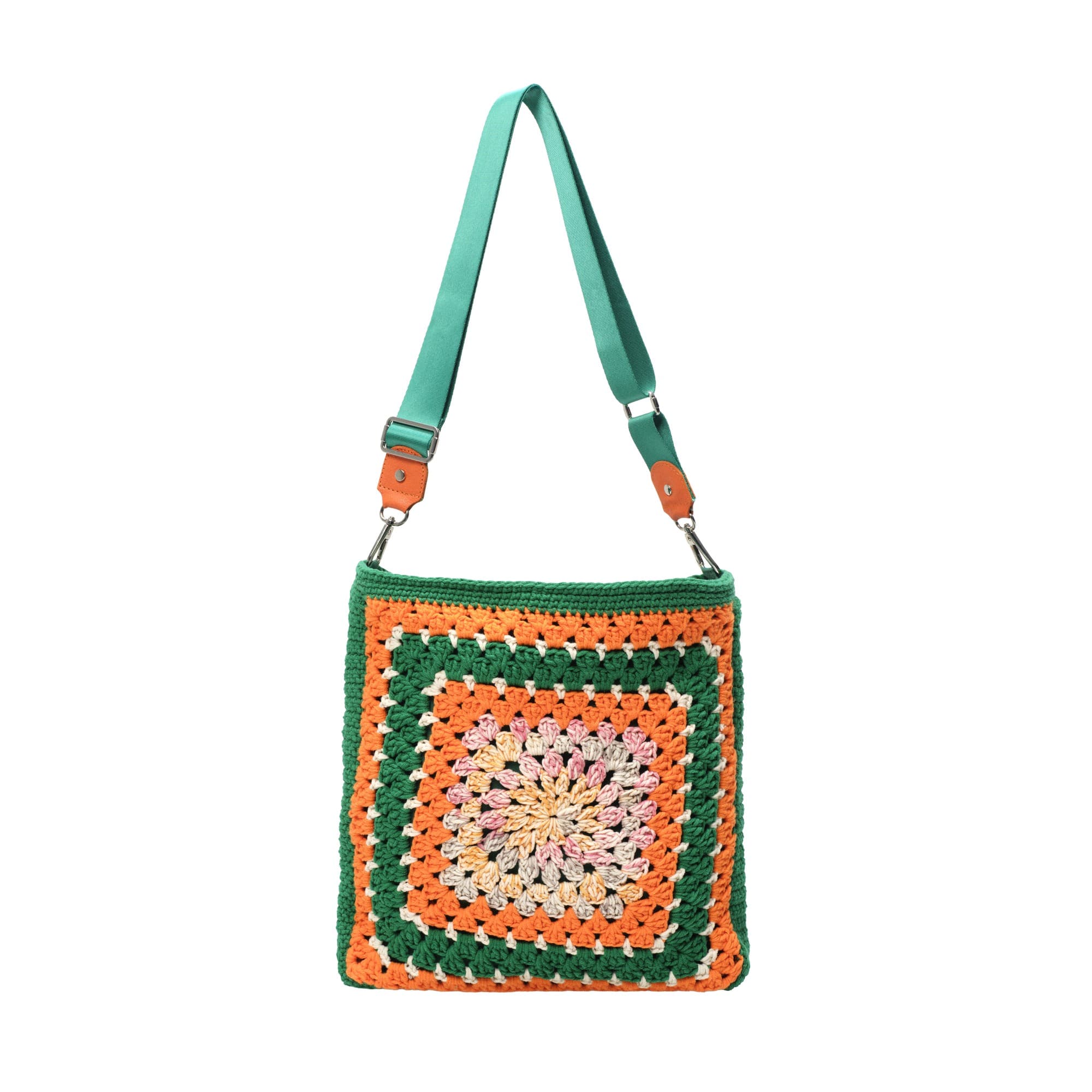
This isn't really a crochet-bag mistake, it's a closet-wide one, but it shows up constantly here. People fall for the multicolour granny square in the listing photos and then, three months later, mention they mostly carry their one neutral bag instead. Both choices are completely fine on their own. The mistake is not being honest with yourself about which one you actually are before you buy. If you already own five colourful bags that sit in a drawer, that's information — not a reason to feel guilty, just a reason to consider the plain one this time.
Treating a structured tote like it has no limit
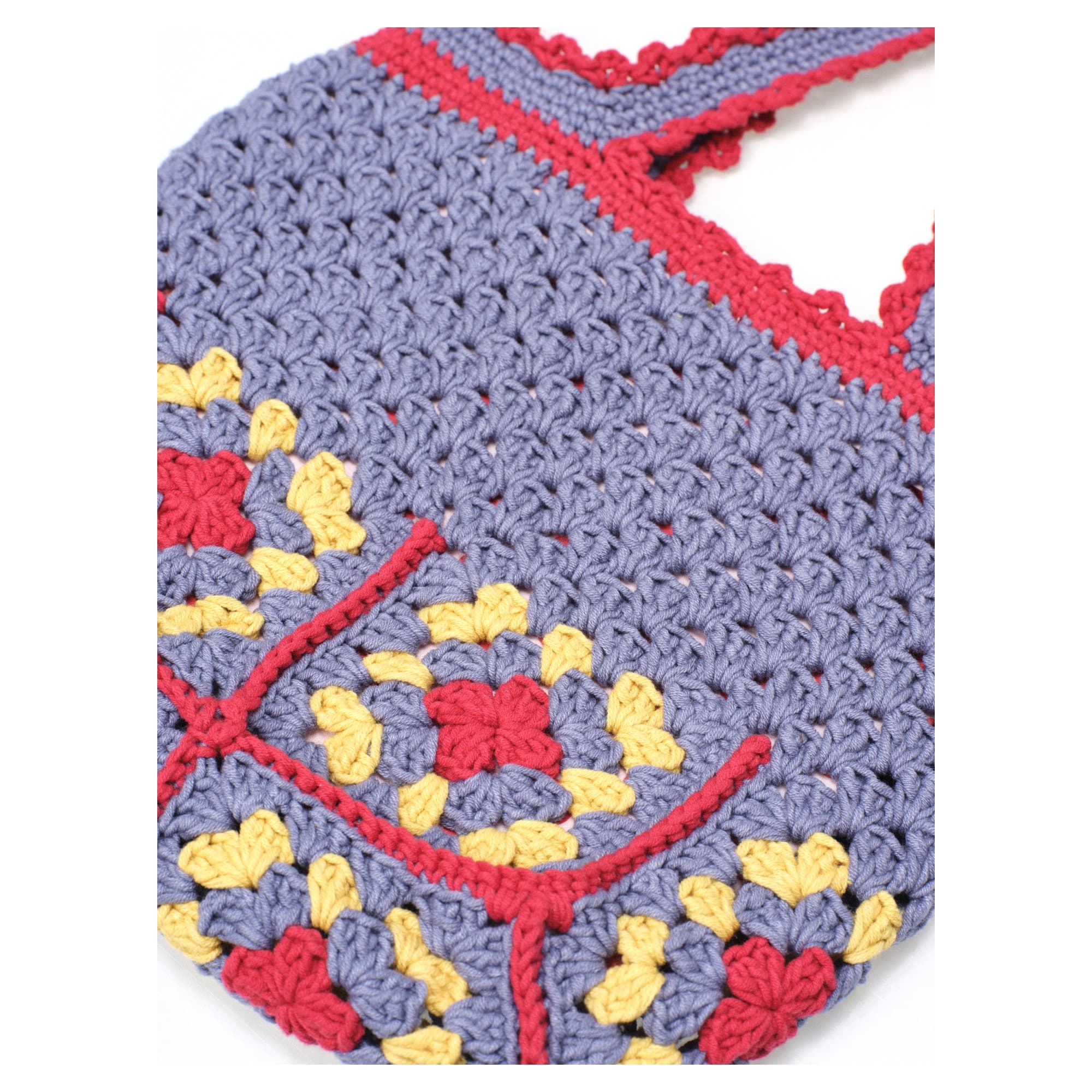
Crochet has some natural give, which makes it easy to assume a bag can absorb almost anything. It can absorb a lot. It can't absorb everything indefinitely. Loading a tote well past what it was built for stretches the joins between squares over time, and that stretch doesn't reverse itself. If the strap starts digging in differently than usual, or the bag hangs noticeably lower than it did on day one, that's the bag telling you it's carrying more than it's comfortable with, and it's worth listening to before the stretch becomes permanent.
Assuming "handmade" means "machine washable"
This comes up more than almost anything else. Mercerised cotton is genuinely durable, but durable and machine-washable are not the same claim. A washing machine's agitation is rougher than anything the bag sees in normal use, and it can pull joins and handles out of shape in a single cycle. Hand washing in cool water takes a few extra minutes and is the difference between a bag that looks the same in year three and one that doesn't. I've written the full wash-and-dry routine separately if you want the specifics — worth reading once, not something you need to memorise.
Hanging a wet bag to dry
A related mistake, and an easy one to make without thinking about it: wet cotton is heavy, and if you hang the bag up to dry, gravity pulls the whole shape downward while it's still soft. It dries stretched. Laying it flat on a towel and reshaping it by hand fixes this completely — it just isn't the instinctive move, because that's how most other bags get dried.
Expecting a light-coloured bag to hide everything
Cream, ivory, and pale multicolour pieces photograph beautifully, and people sometimes assume "handmade" and "natural fibre" also means "forgiving." Cotton shows marks the way any pale fabric does. That's not a flaw in the material, it's just something worth factoring in honestly if the bag is going to a farmers' market every Saturday versus sitting on a hook by the door. A darker or more saturated colourway isn't a downgrade — for a bag in genuinely heavy rotation, it's often the more practical choice.
Not asking before assuming a custom request isn't possible
The opposite mistake happens too: people see a finished listing and assume the exact colours or handle length shown are the only option, so they either buy something close enough or skip the purchase entirely. Most of what's fixed in a listing is actually adjustable before I start a piece. If something is almost right but not quite, ask first. It costs nothing to find out.
None of these are really about crochet — they're the same decisions you'd weigh with any bag that's meant to last years instead of one season. The difference with a handmade piece is that getting them right actually pays off, because the materials and the construction can hold up their end for a long time. The current collection, along with full dimensions for each piece, is on Etsy.
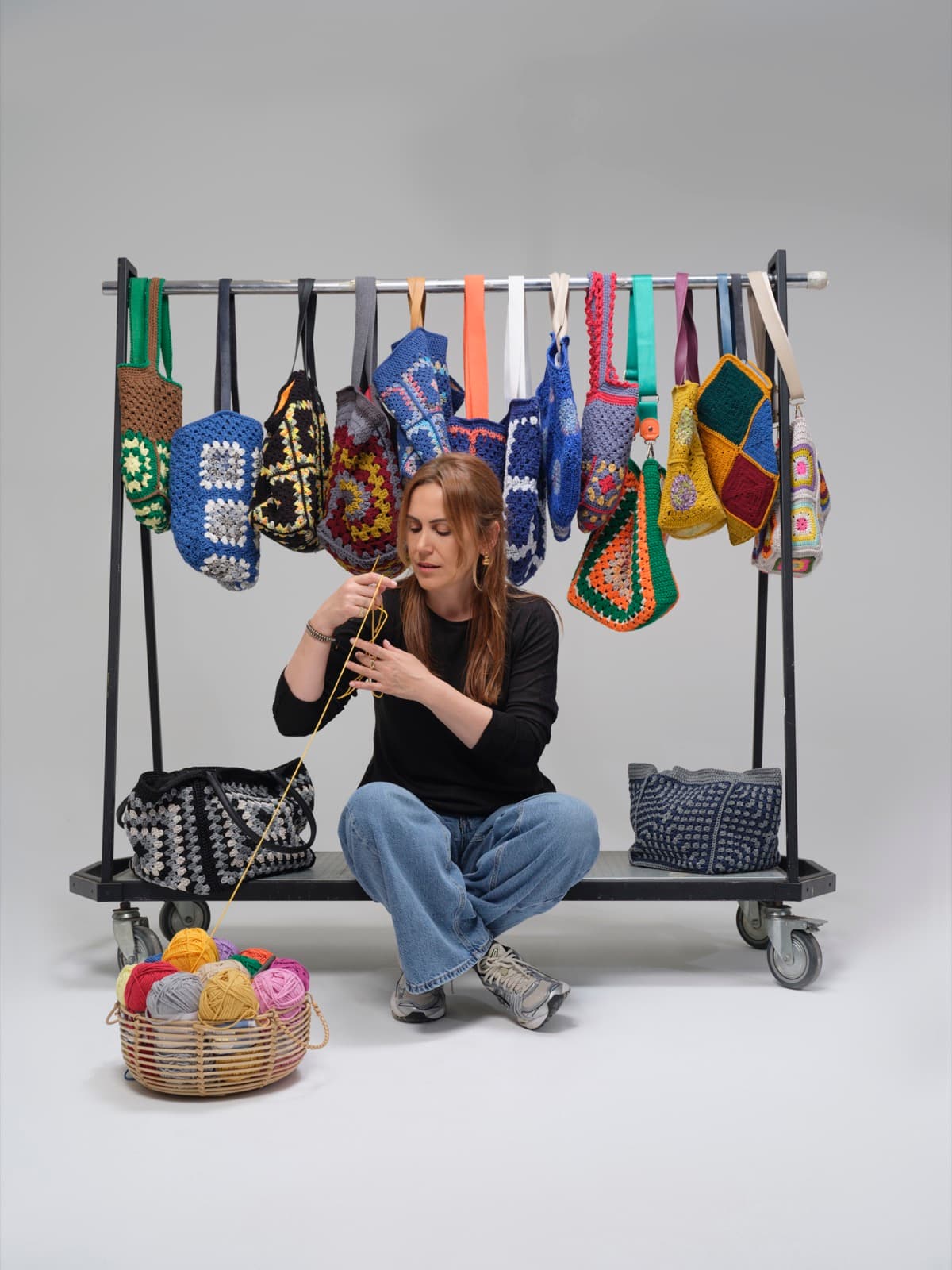
Merve Yamak
Founder, My Happy Made · Istanbul