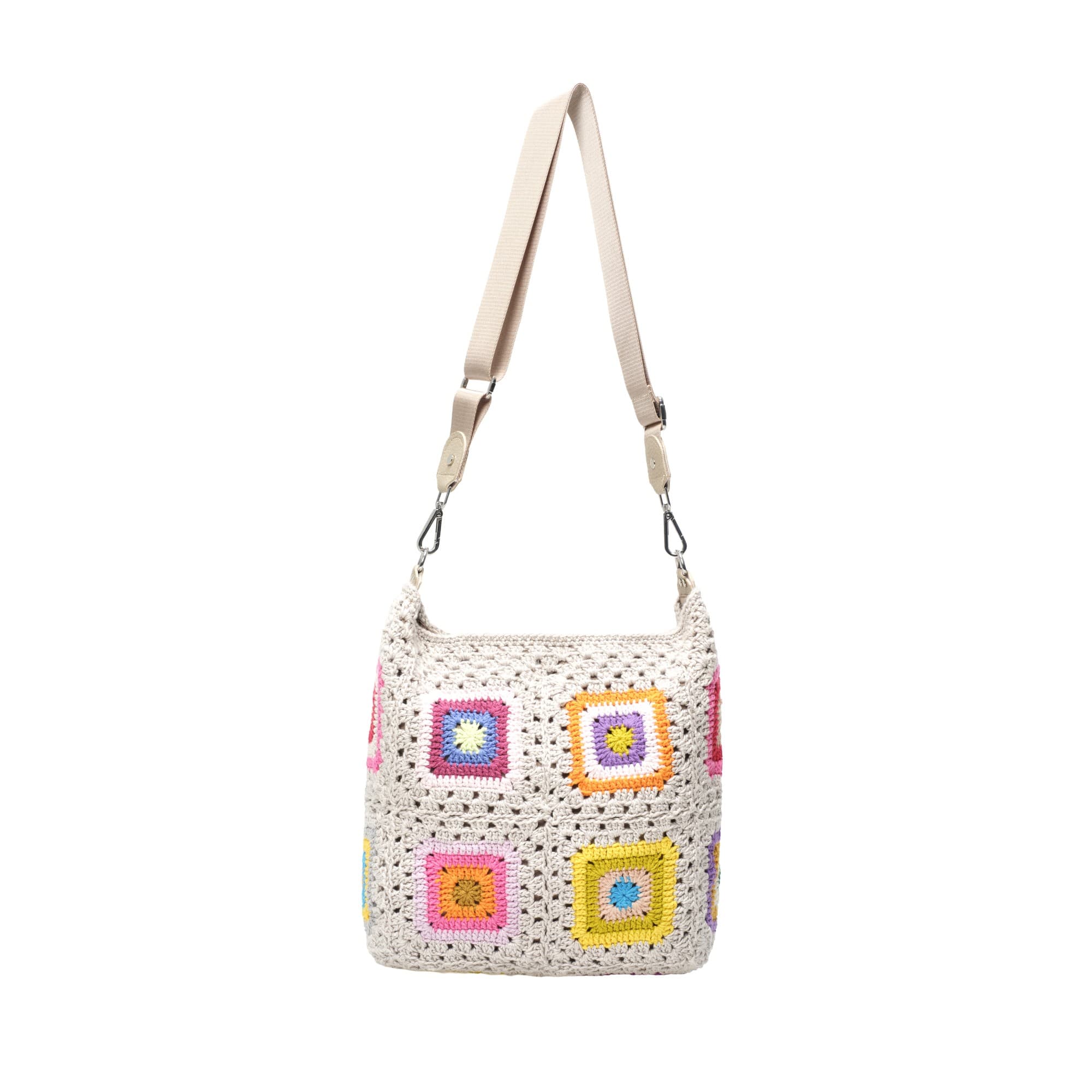
How to Wash and Care for a Crochet Bag (So It Lasts Years)
The most durable bag I've made is in its third year of daily use. Its owner messages me with updates. It still looks the way it did in my shipping photos. This isn't an accident.
The most durable bag I've made is currently in its third year of daily use. I know this because the owner messages me occasionally with updates. It goes to work, to markets, to weekend trips. It has been washed at least a dozen times. It still looks the way it looked in the photos I took before shipping it.
This isn't an accident. Premium mercerised cotton is genuinely tough. But it needs to be treated correctly, and the rules are not complicated.
Daily use
The main thing to avoid is consistent overloading. I make these bags for real use, not for display, and most of them handle a full day's worth of carrying without complaint. But if you put 4 kilos in a bag designed for 2, the squares will slowly stretch at the joins. You can usually tell you're overloading because you feel the strap digging in differently than usual. That's a reliable signal.
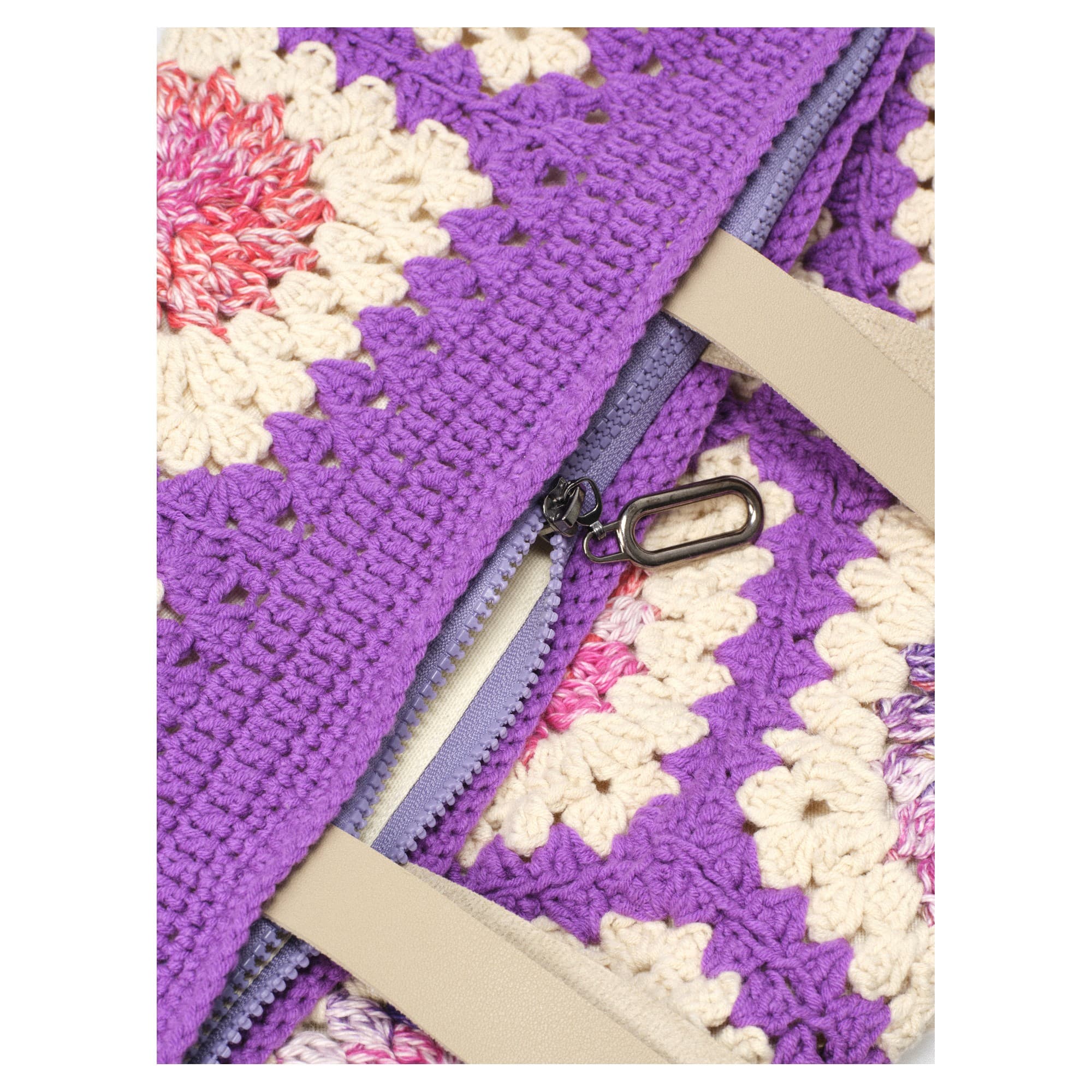
The other daily thing is keys. Keep them in a separate pouch inside the bag, or at minimum clip them to something rather than letting them float loose. Metal hardware catches yarn loops. One snagged loop is usually fixable. Repeated snagging over months is not.
If the bag gets a light scuff or surface mark, a barely damp cloth is enough. You don't need to wash the whole bag for a small mark.
Washing properly
Hand wash only, in cool water, with a small amount of gentle detergent. Something designed for wool or delicate fabrics works well; I use a liquid wool wash. Submerge the bag, squeeze the water through gently, and let it soak for a couple of minutes. Don't scrub. Don't wring — wringing stretches the joins permanently.
Rinse thoroughly in cool water. The detergent needs to come out completely or it will stiffen the cotton over time. You'll know you're done rinsing when the water runs clear.
Drying matters more than washing
Press the water out by rolling the bag inside a clean towel and pressing firmly, then reshape it and lay it flat on another dry towel or a drying rack. Do this on a flat surface, not a hanging one.
Hanging a wet crochet bag means the weight of the water pulls everything downward, and the bag dries in a stretched shape. This is reversible if it happens once. Not if it happens ten times.
Keep it away from direct heat — radiators and tumble dryers both damage cotton yarn over time.
Leather handles
Leather handles need separate attention. A light application of leather conditioner two or three times a year keeps them from drying out and cracking. I use a conditioner with beeswax; the brand doesn't matter much. Apply a small amount to a cloth and work it into the leather. Keep the conditioner away from the yarn if you can.
Don't saturate the leather with water. If the handles get soaked in rain, let them dry naturally at room temperature away from any heat source, then condition once dry.
Storage
Don't fold the bag flat against itself. Stuff it lightly with tissue paper or a folded scarf to maintain the shape, and store it somewhere the light doesn't hit it directly for extended periods. Use a cotton dust bag if you have one. Avoid plastic, which traps moisture.
When something goes wrong
If a loop snags, don't cut it. Pull the snagged loop through to the inside of the bag using a blunt needle or a small crochet hook, then work it flat against the interior. Most snags disappear completely this way. If you're not sure, message me before you do anything irreversible — I've helped people fix bags that looked quite damaged from the outside and turned out to be completely fine.
If you're thinking about a bag built to actually survive being used, the collection is on Etsy.
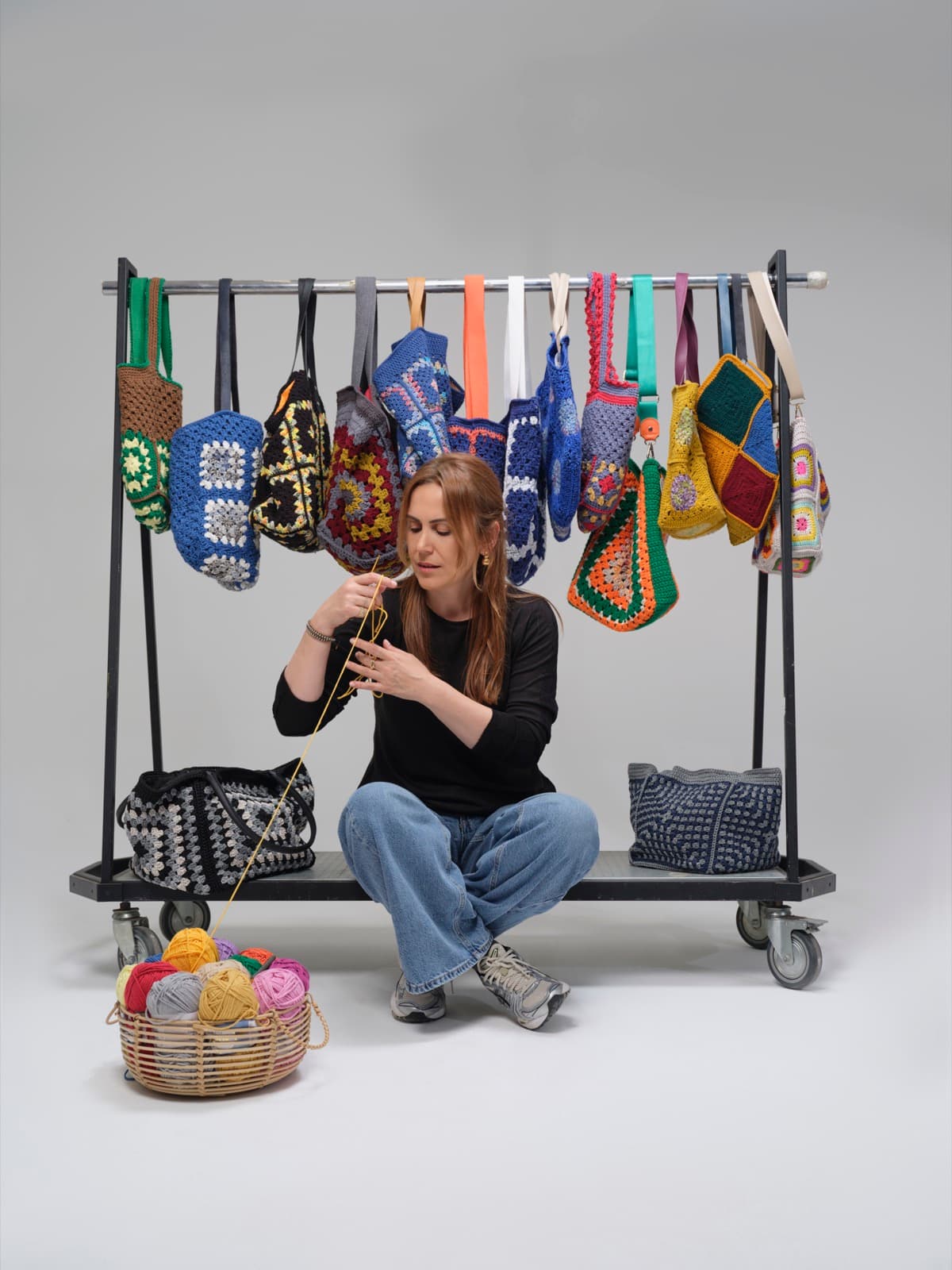
Merve Yamak
Founder, My Happy Made · Istanbul