Why Does a Handmade Crochet Bag Cost $150? A Transparent Breakdown
The question I get most often — politely or directly — is about the price. Here's exactly what goes into each bag, down to the materials and the hours.
The question I get most often — sometimes politely, sometimes directly — is about the price. Why does a crochet bag cost $150 or more when you can buy a canvas tote for $20?
It's a fair question. The honest answer is that the number reflects actual time and actual materials, not a margin. Here's the breakdown.
The yarn
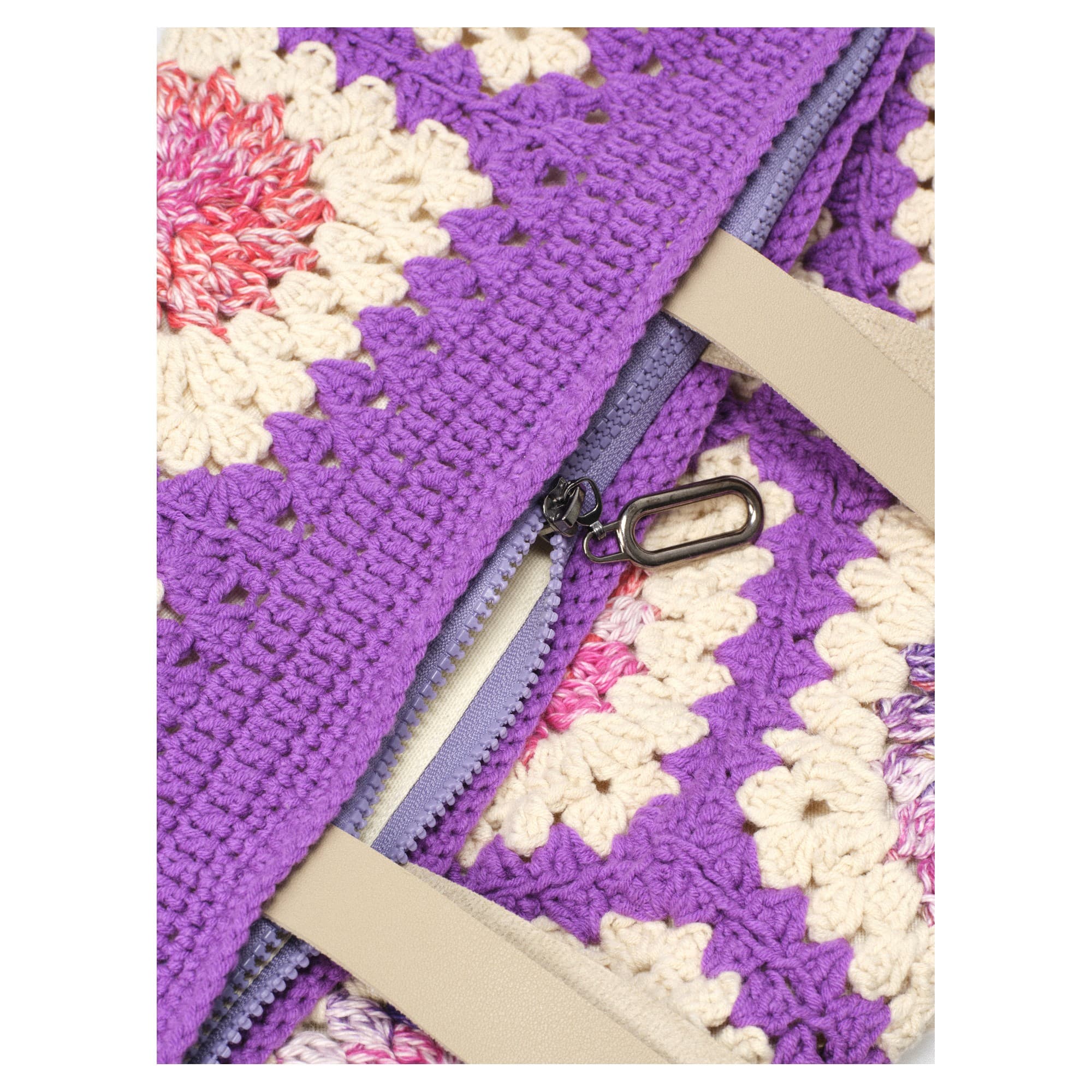
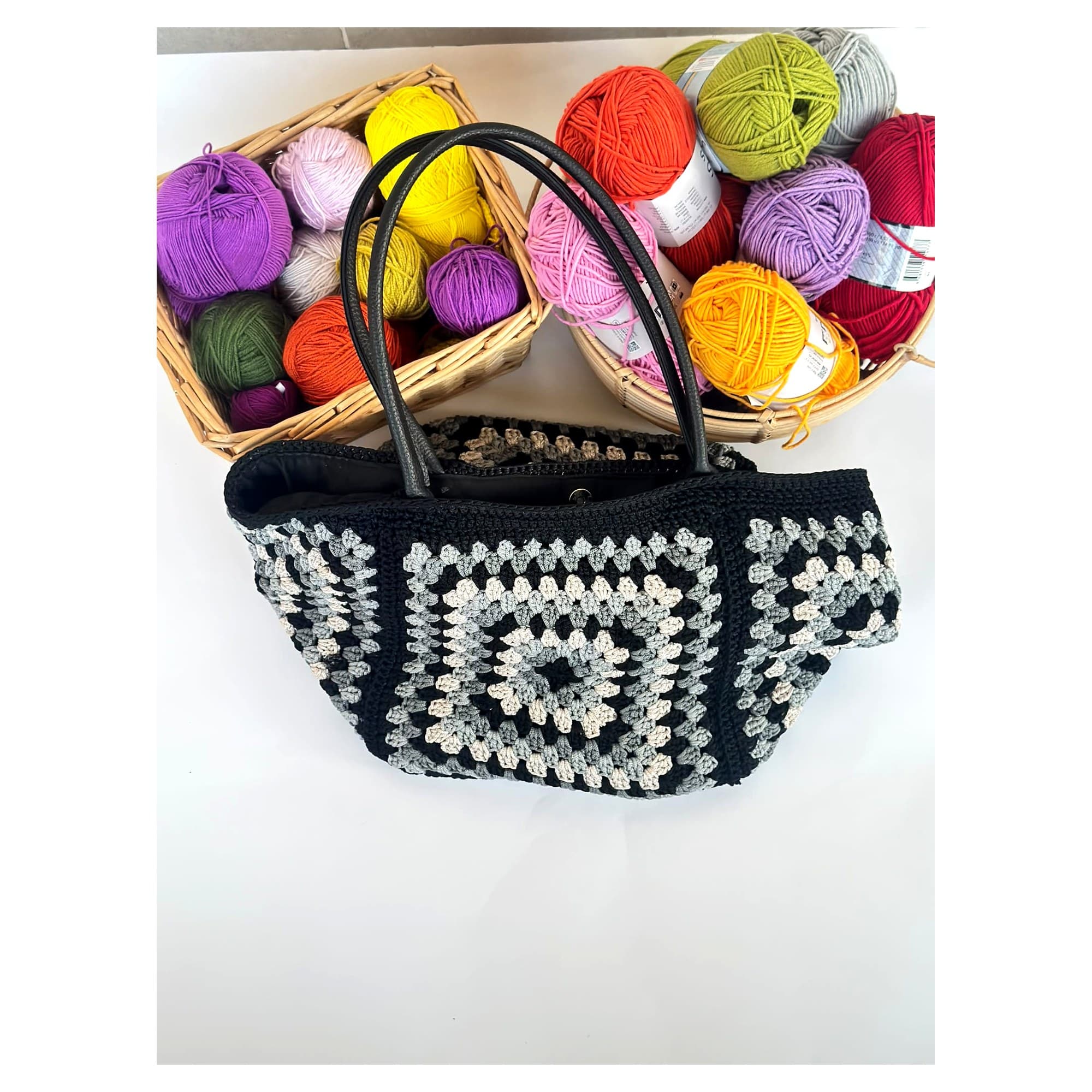
I use 100% mercerised cotton from a Turkish supplier. A medium tote bag requires roughly 400–600 grams of yarn. The yarns I use are not the acrylic you find at a general craft store. Mercerised cotton is treated to increase strength, colour-fastness, and sheen. It costs about three to four times more than basic acrylic, and it behaves completely differently — it holds its shape, it ages well, and it gets softer with washing rather than pilling.
Some bags include genuine leather handles, sourced from a leatherworker near the Grand Bazaar. The leather alone adds meaningful cost before you've crocheted a single stitch.
The time
A medium tote bag takes between 12 and 18 hours of work. That's not an estimate — I've tracked it. The breakdown looks roughly like this: making and laying out the individual squares takes 6–8 hours; joining them takes 2–3 hours; the finishing work — handles, lining, pressing, quality check — takes another 3–5 hours.
The lining is hand-sewn cotton fabric, colour-matched to the bag. The handles are attached with a saddle stitch. These aren't shortcuts.
At a fair wage for skilled craft work, 15 hours is 15 hours. The materials add to that. The price is what it is because the work is what it is.
What you can't get at mass-market prices
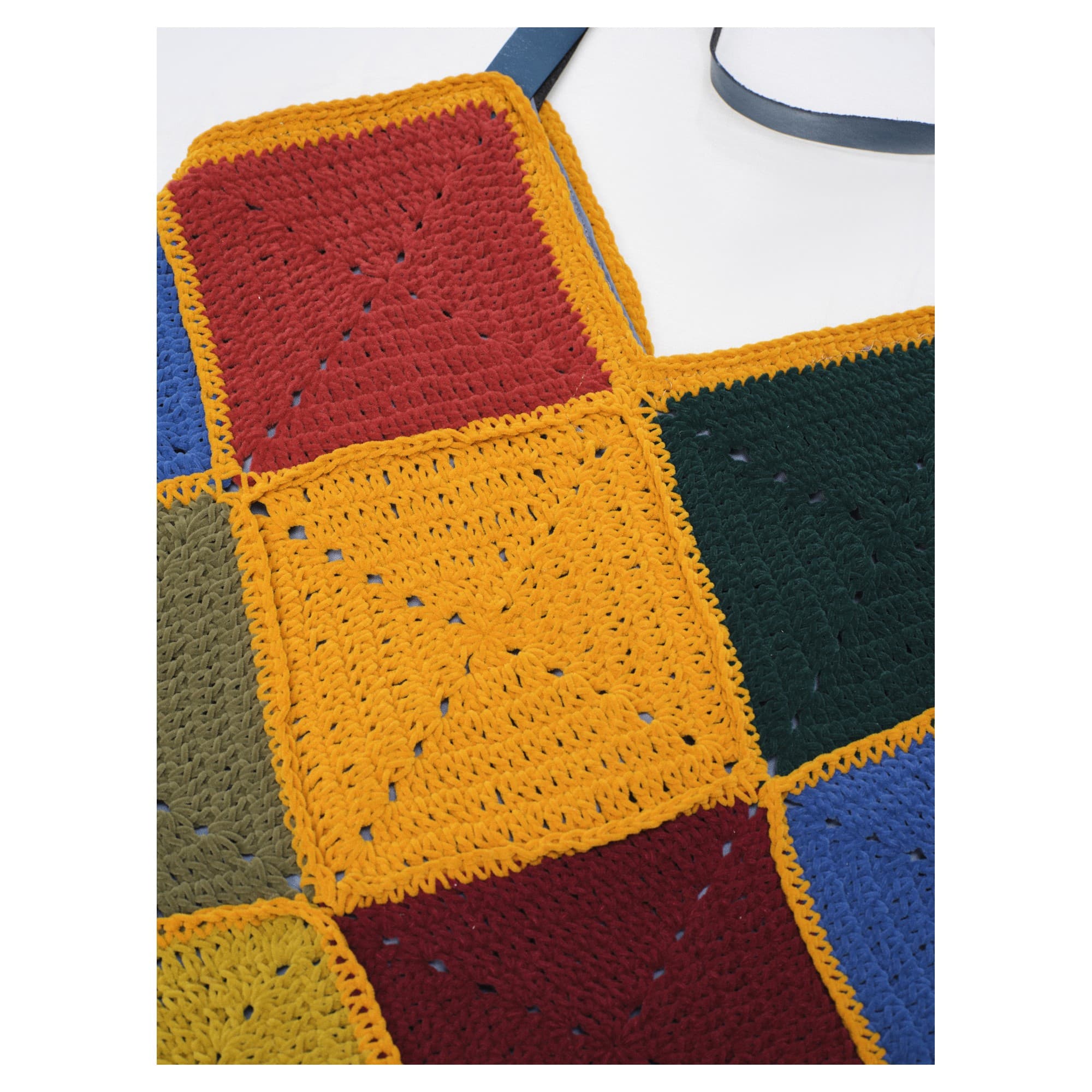
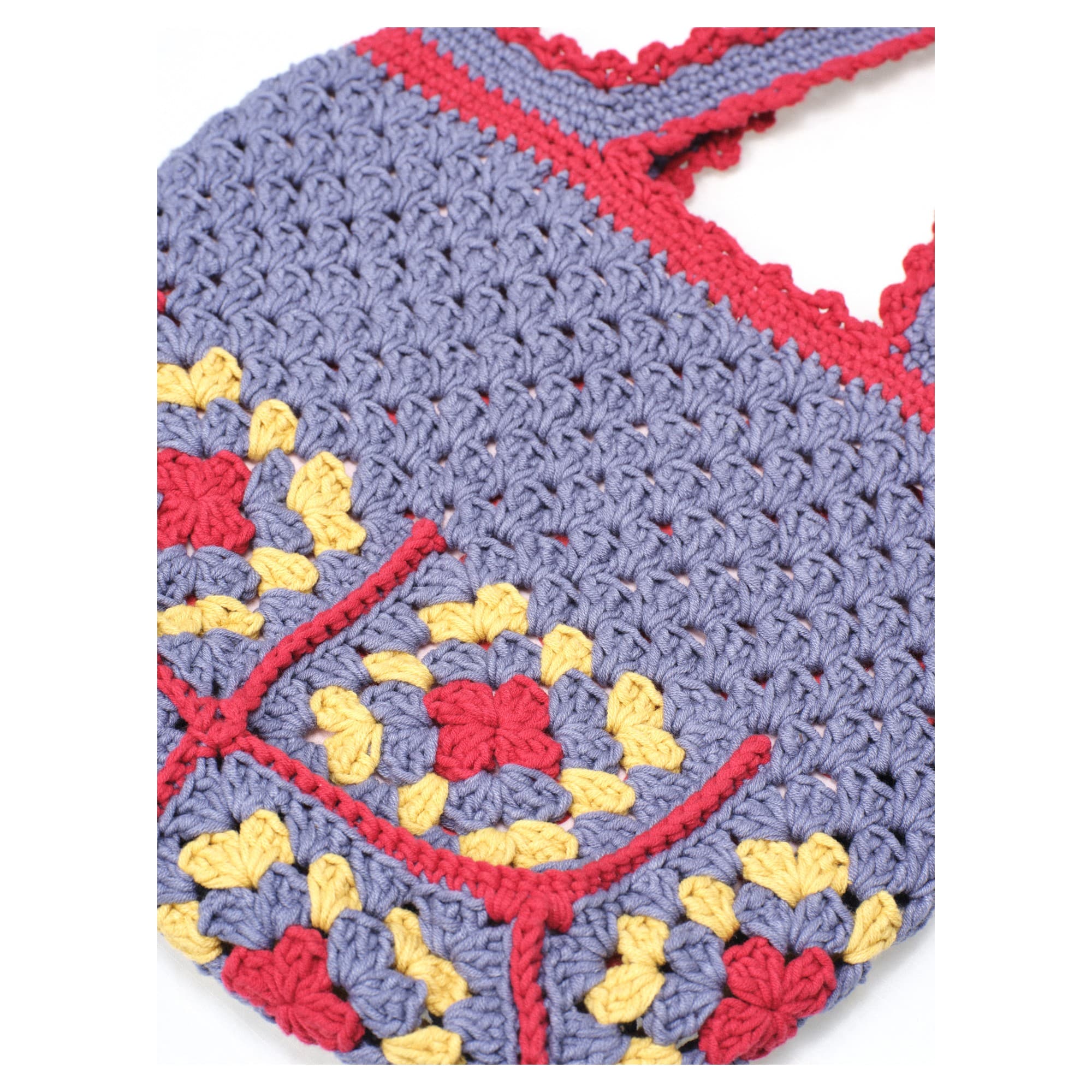
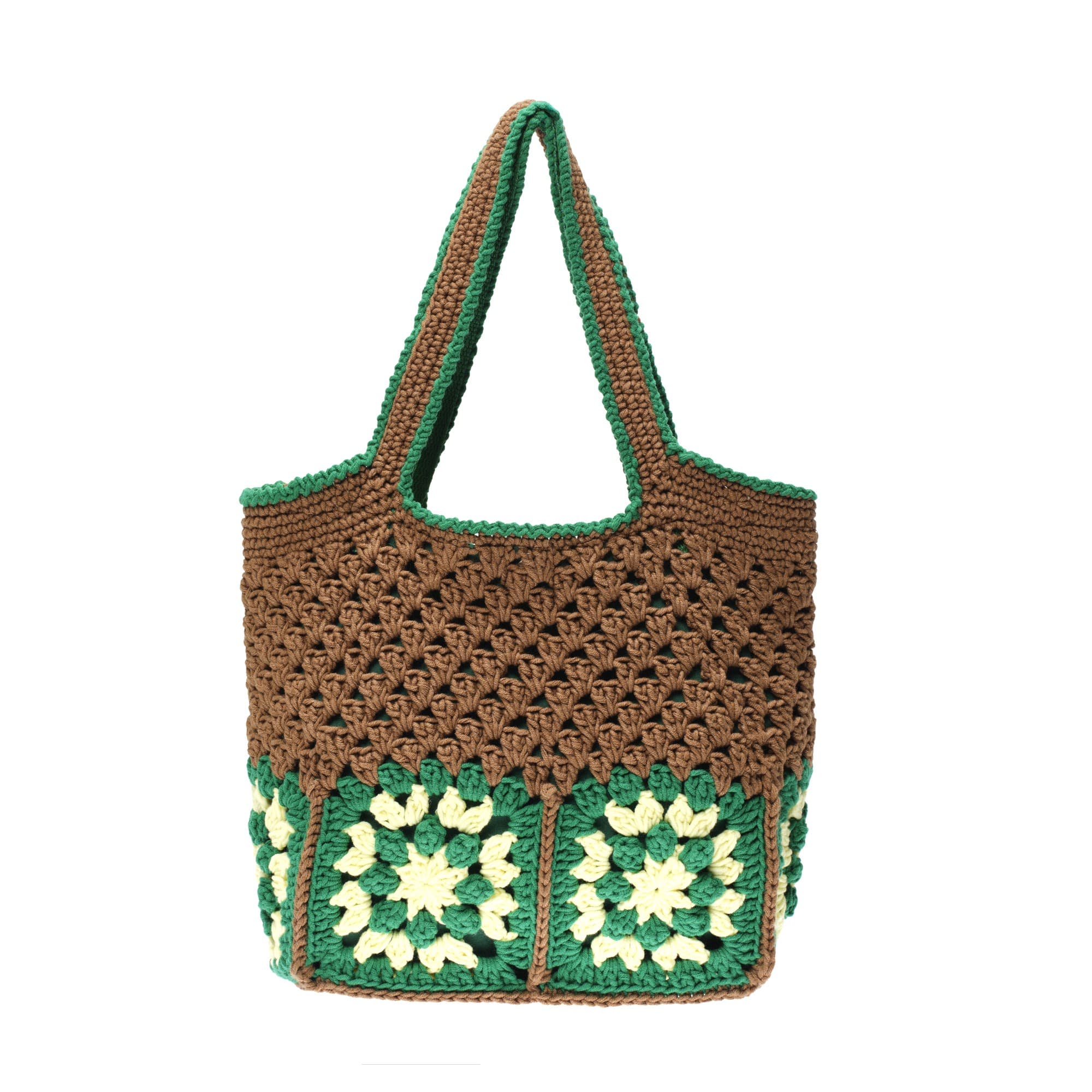
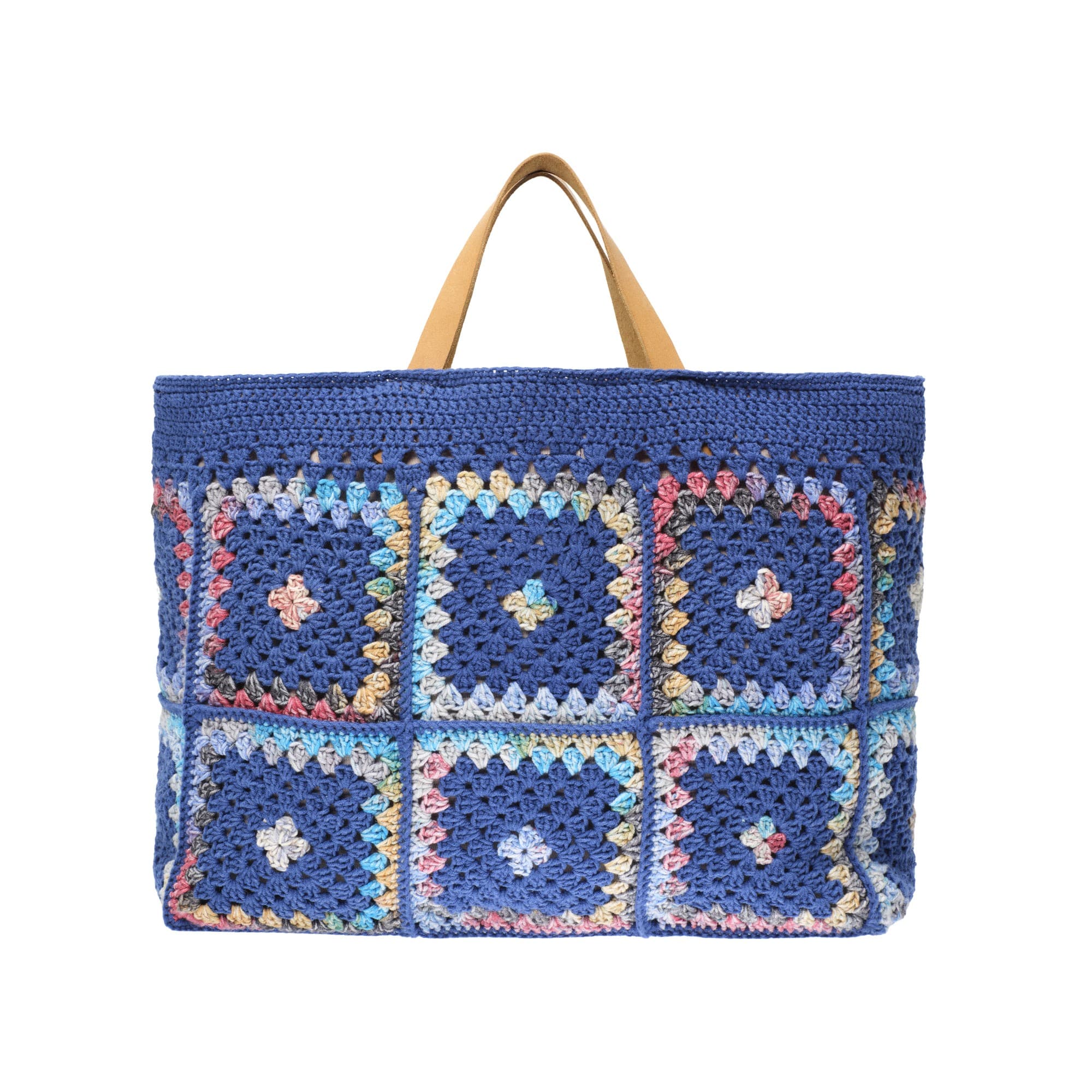
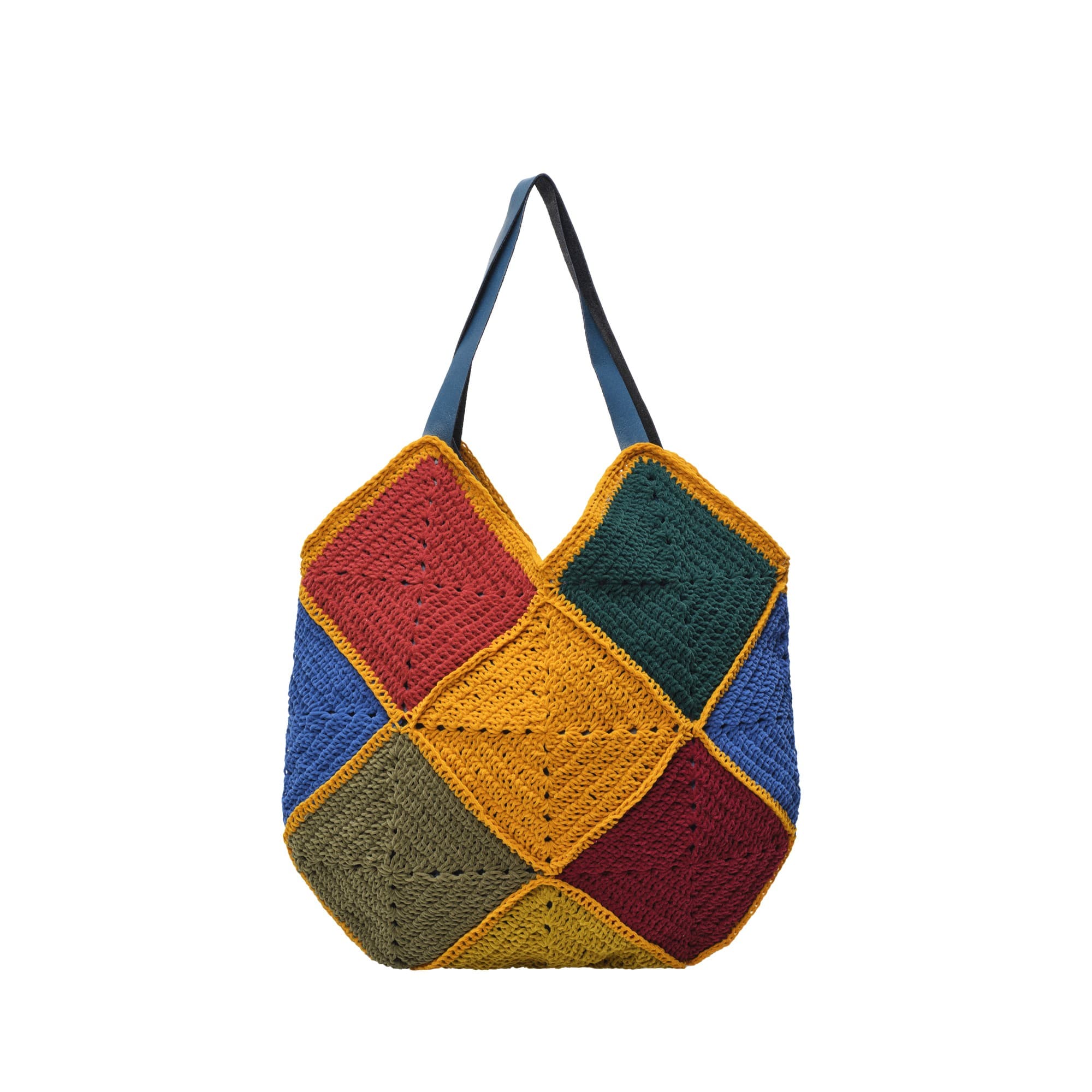
Handmade granny square bags are genuinely one of a kind. Not "limited edition" in a marketing sense — literally one. Once I've joined the squares and sewn the lining, that specific bag in that specific colour sequence doesn't exist again. The combination of colours, the tension of the joins, the slight variations in each square — they accumulate into something that can't be replicated.
Mass-produced crochet-look bags exist. I've seen them. They're made by machines or in large production batches with uniform yarn. You can tell the difference when you hold one next to a handmade piece. The texture is different. The weight is different. The way it wears is different.
How to think about price per wear
A bag you carry for five years, used three times a week, costs you about twenty cents per use at $150. The same cheap bag that falls apart in a year costs more per use. Premium cotton yarn lasts. The lining holds. The leather handles develop character rather than cracking. I know because customers tell me.
What the price doesn't cover
I make each bag on my own, in my Istanbul studio, with no employees and no production line. There's no investor margin built into the price, no retail markup. The number is as close to a direct exchange for skill, time, and materials as it can reasonably be.
If you've been considering a bag and the price has been the hesitation, I hope this helps make it more concrete. The current collection is on Etsy with full details on each piece.
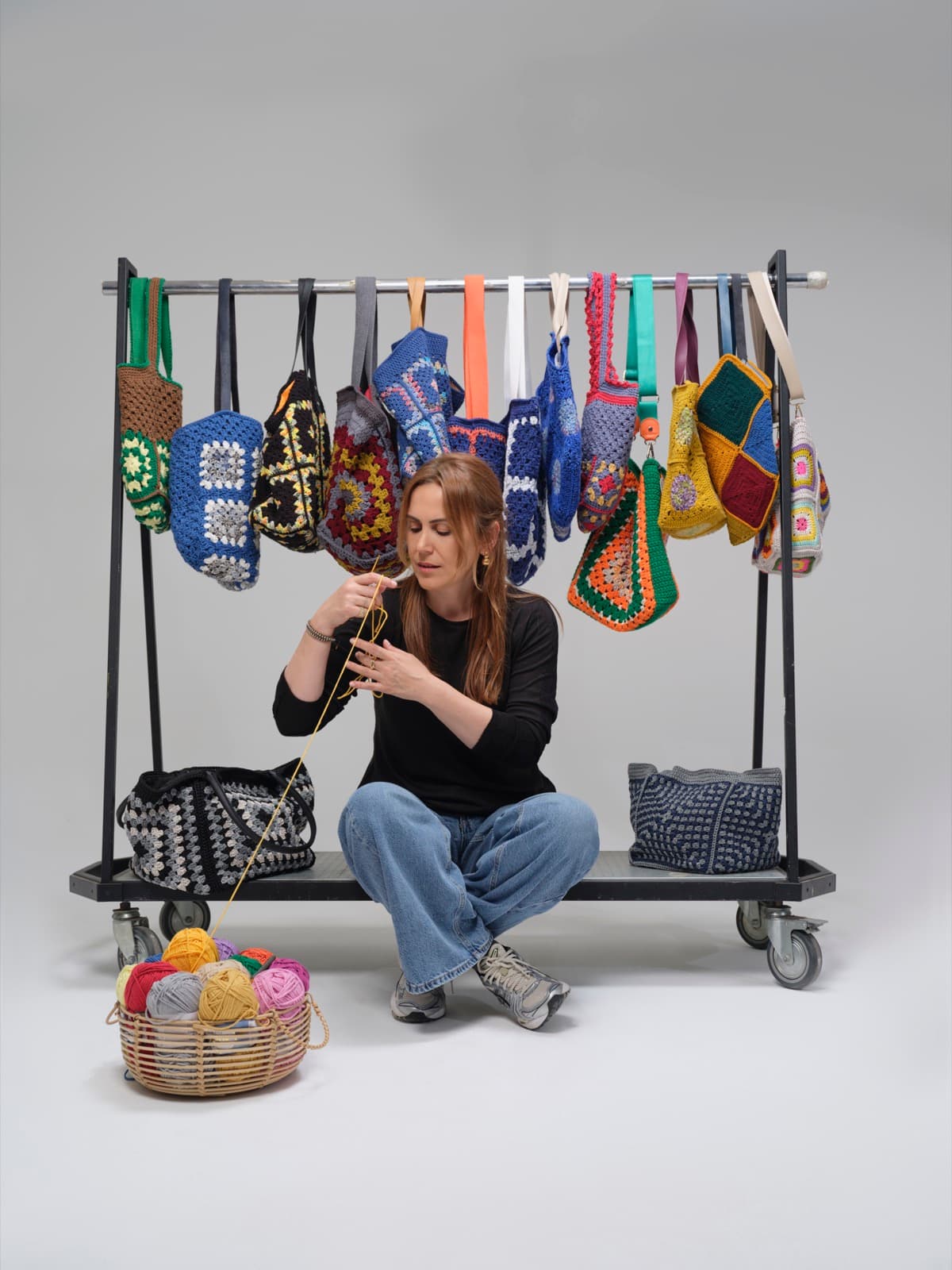
Merve Yamak
Founder, My Happy Made · Istanbul